
Interested in exploring Milford Sound but worried about rainy weather. Well, let me tell you why Milford Sound in the rain is the absolute best time to visit and how you won’t have any regrets!
First off let me say I get it, no one wants to go to a bucketlist destination just to be rained out, stuck indoors, and bored. Well, luckily enough Milford Sound in the rain may actually be better than visiting on a sunny day.
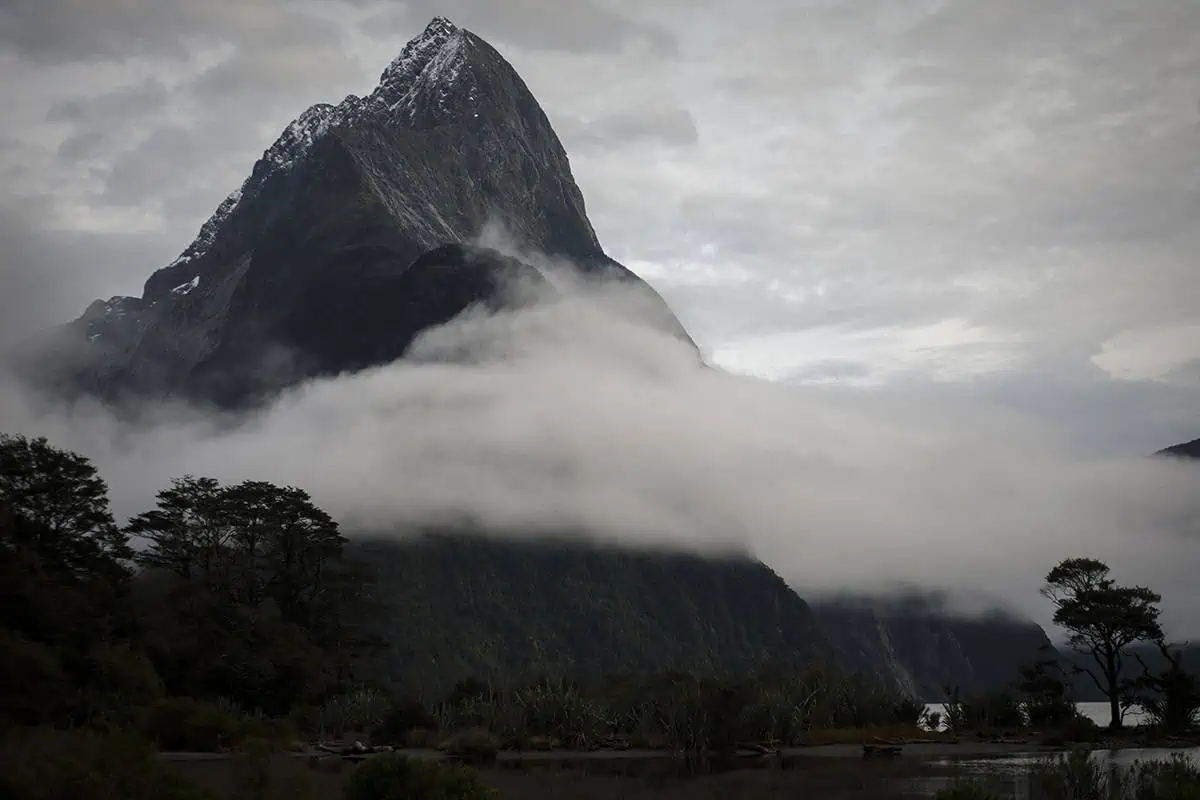
Lucky enough Milford Sound is known as being an incredible destination regardless of the weather. You will still get to see those awesome landscapes, incredible wildlife, and of course the waterfalls. However, depending on cloud coverage you may or may not see Mitre Peak.
Nevertheless, I have been fortunate, YES FORTUNATE, enough to visit Milford Sound in the rain and I have to say it’s been one of my top adventures in the South Island of New Zealand.
So no need to worry anymore about that rainy day in Milford Sound showing on the weather app on your phone. Let’s get into why rain in Milford Sound makes for the ultimate trip, and what you can expect.
BEST Tips For Visiting Milford Sound On A Rainy Day
🚌 How I Book Cheap Buses In New Zealand: Intercity
When Is It Most Likely To Rain When Visiting Milford Sound?
Visiting Milford Sound means preparing for rain, and the most likely time to experience rain in Milford Sound is during the summer months of December and January. These months are characterized by high rainfall, which not only enhances the fjord’s beauty with countless temporary waterfalls but also brings lush greenery to life.
This is also the high season when it comes to tourism in New Zealand, but you be surprised to find it’s also the busiest time to visit Milford Sound, even with all the rain!
Despite the wet weather, summer remains a popular time for visitors due to the mild temperatures ranging from 16-22°C / 61-72°F and long daylight hours.
In contrast, autumn (March to May) also sees significant rainfall, particularly in May. This season offers a quieter experience with fewer tourists and the continued beauty of rain-enhanced waterfalls. The temperatures during autumn range from 10-18°C / 50-64°F, making it still a pleasant time to visit, although rain jacket is still essential.
Overall, while rain is a common occurrence in Milford Sound throughout the year, the summer and late spring months see the highest rainfall, creating a mesmerizing landscape that is worth experiencing despite the wet conditions.
How Much Does It Rain In Milford Sound
Now it’s no secret rain is a common occurrence in Milford Sound. Though, you may be surprised to learn it is actually the wettest place in New Zealand, and is up there for the rainiest places worldwide!
On average, Milford Sound receives about 6,813 millimeters / 268 inches of rain each year. This has assisted Fiordland in getting National Park recognition with the lush green forests, and incredible landscapes you can find here.
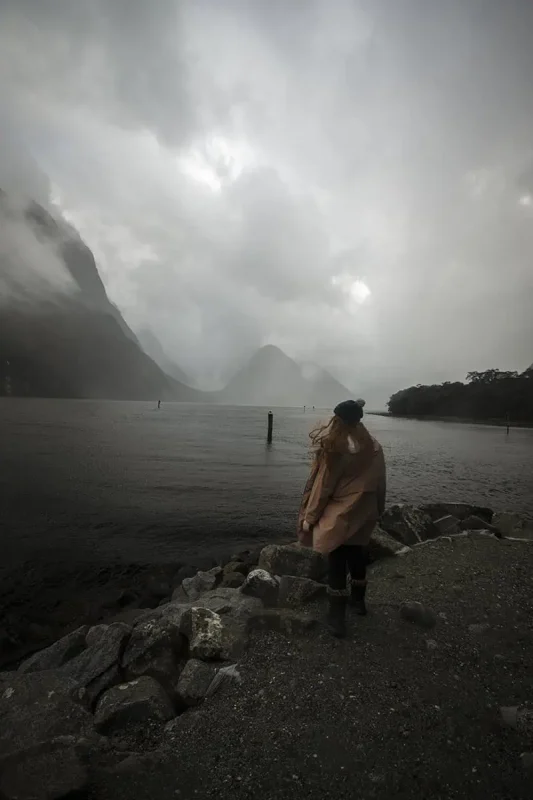
What Makes Milford Sound In The Rain So Special?
So let’s get into what you really want to know, what makes a rainy day in Milford Sound so great?
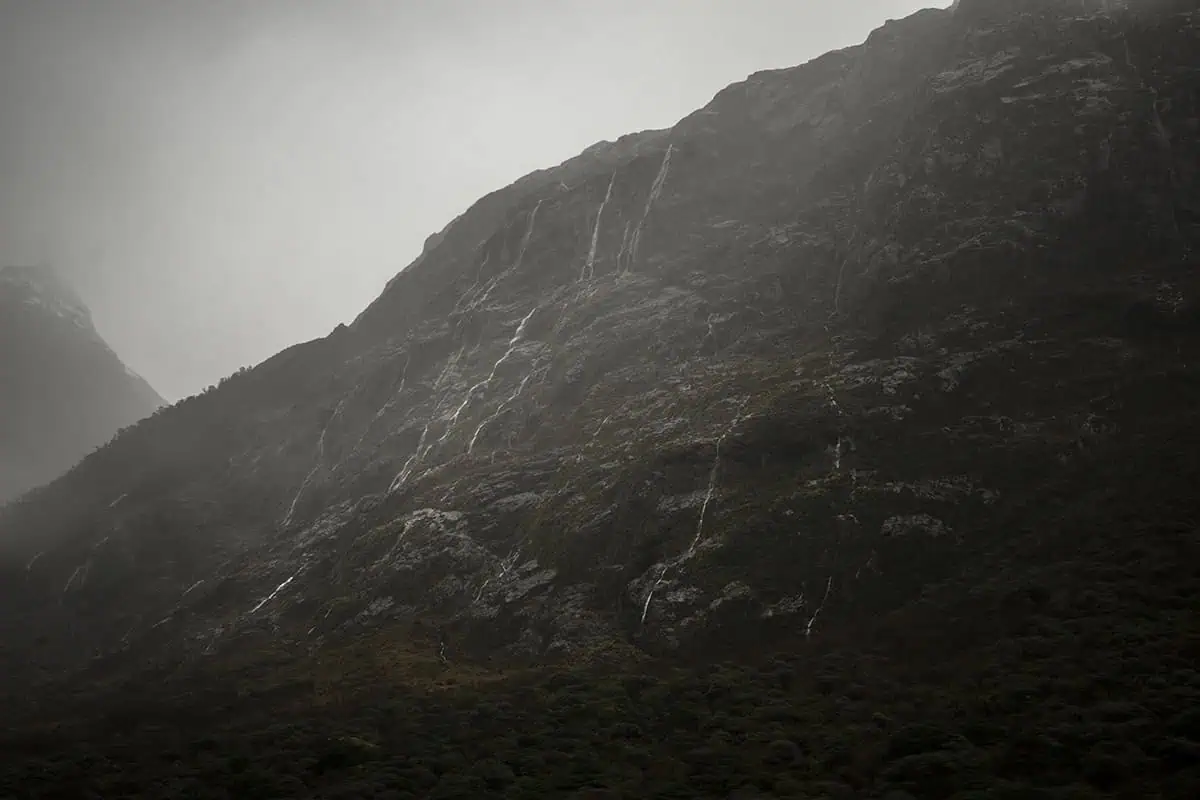
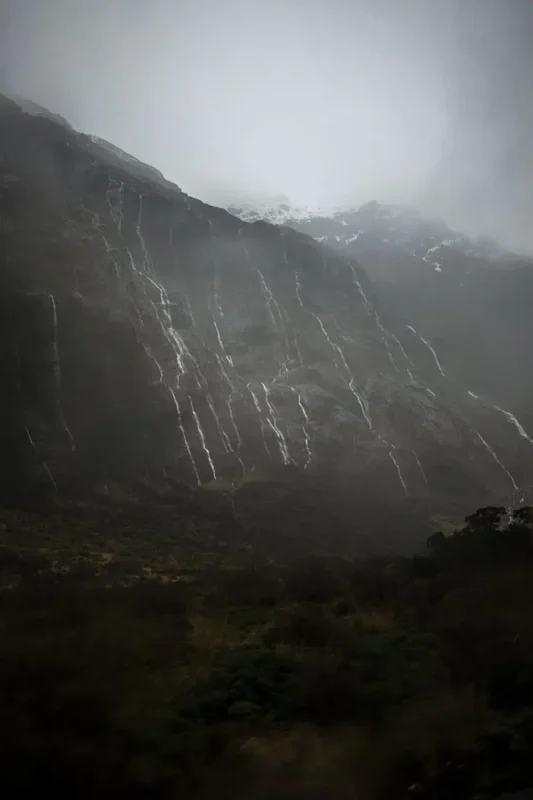
Well, one of the most remarkable features during the rain is the sudden appearance of numerous waterfalls, because typically when it rains here it rains hard.
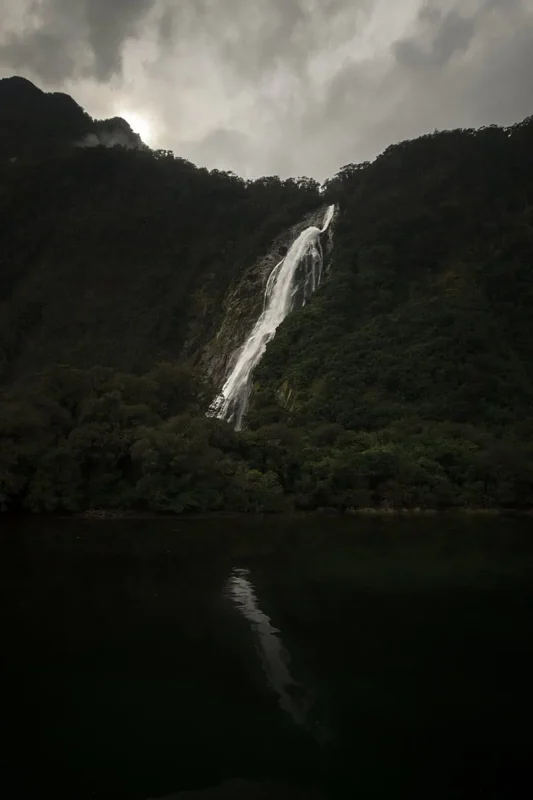
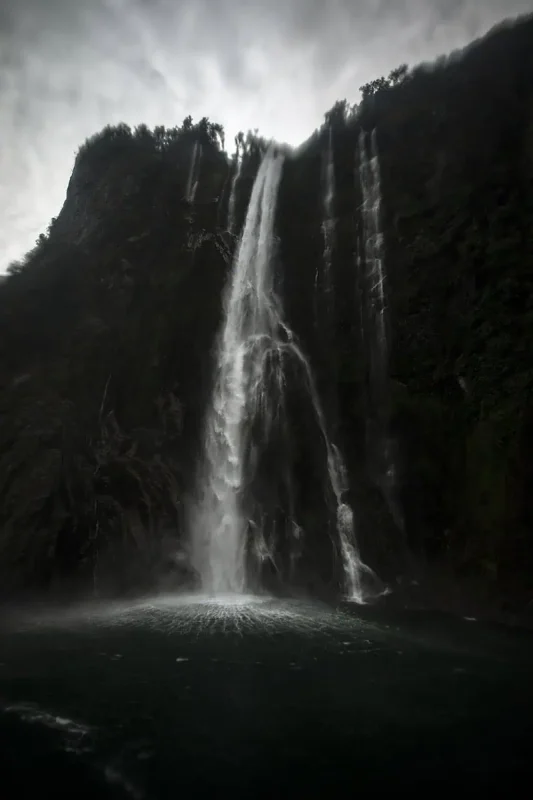
There are a couple of permanent waterfalls such as Stirling Falls and Bowen Falls which can be seen in any weather. However when it buckets down literally thousands of waterfalls form on the mountain and cliffside plunging into the valley or ocean.
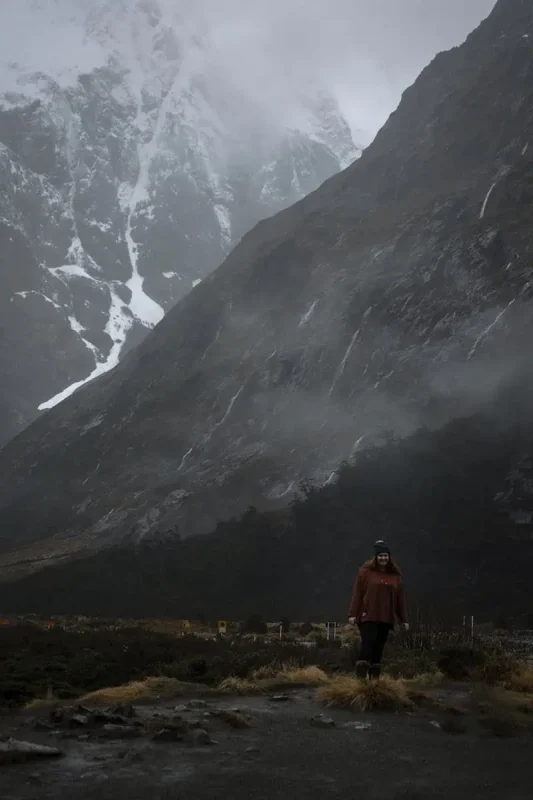
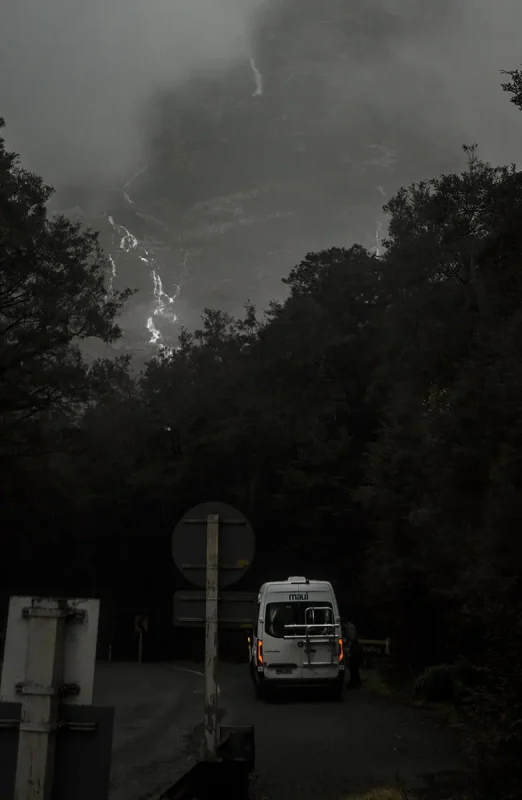
This isn’t just within the township of Milford Sound itself either, you can see these waterfalls all over Fiordland National Park, especially in the mountainous areas around the Homer Tunnel. These white streaks quickly build up out of nowhere, it’s quite a sight to see!
This natural phenomenon transforms Milford Sound and the surrounding area into a breathtaking spectacle of thundering water and mist.
The lush forests that cover the cliffs and valleys of Milford Sound thrive on all this rainfall, resulting in a vibrant and diverse ecosystem. Moss grows year round on the trees here, a unique sight you often don’t see. You can find an assortment of mosses, ferns, and trees that contribute to the area’s unique beauty and support a variety of wildlife.
This rain in Milford Sound also creates a unique underwater phenomenon. The heavy rainfall collects tannins from the forest, staining the freshwater dark. This dark layer of water sits atop the saltwater, creating a special environment where deep-sea creatures, like black coral, can thrive closer to the surface.
Another major plus is that visiting Milford Sound in the rain often means fewer tourists allowing you to have an overall more peaceful experience.
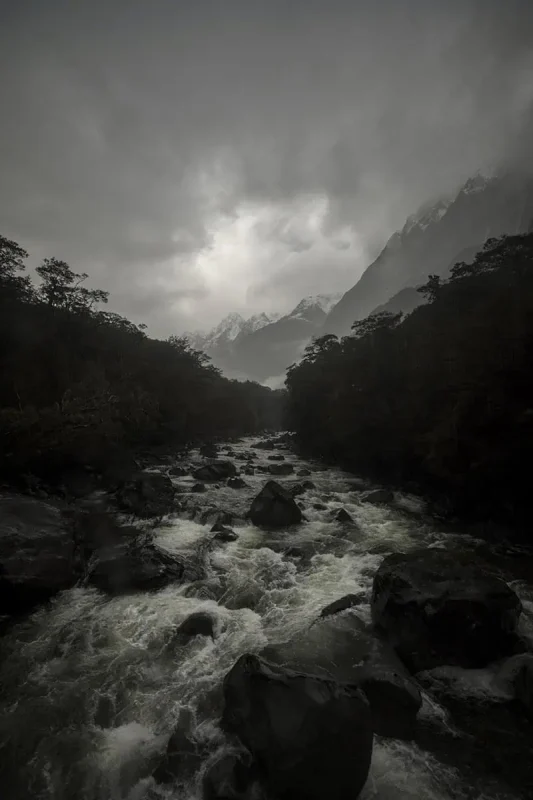
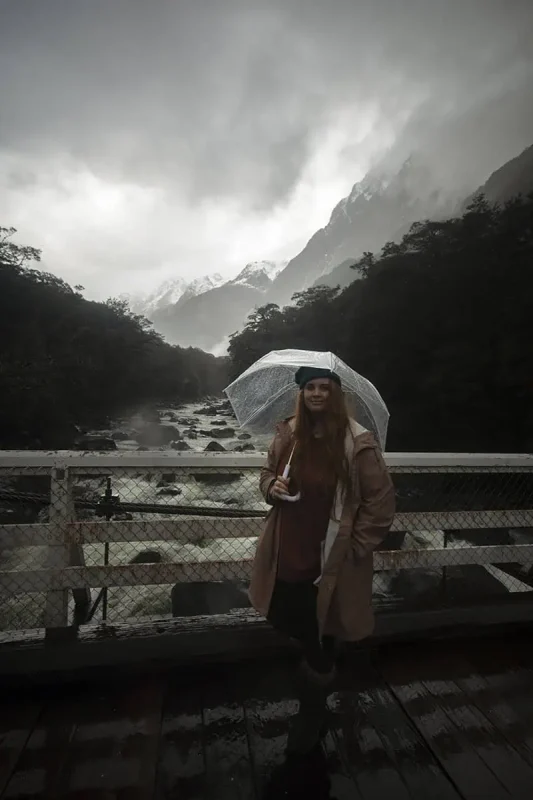
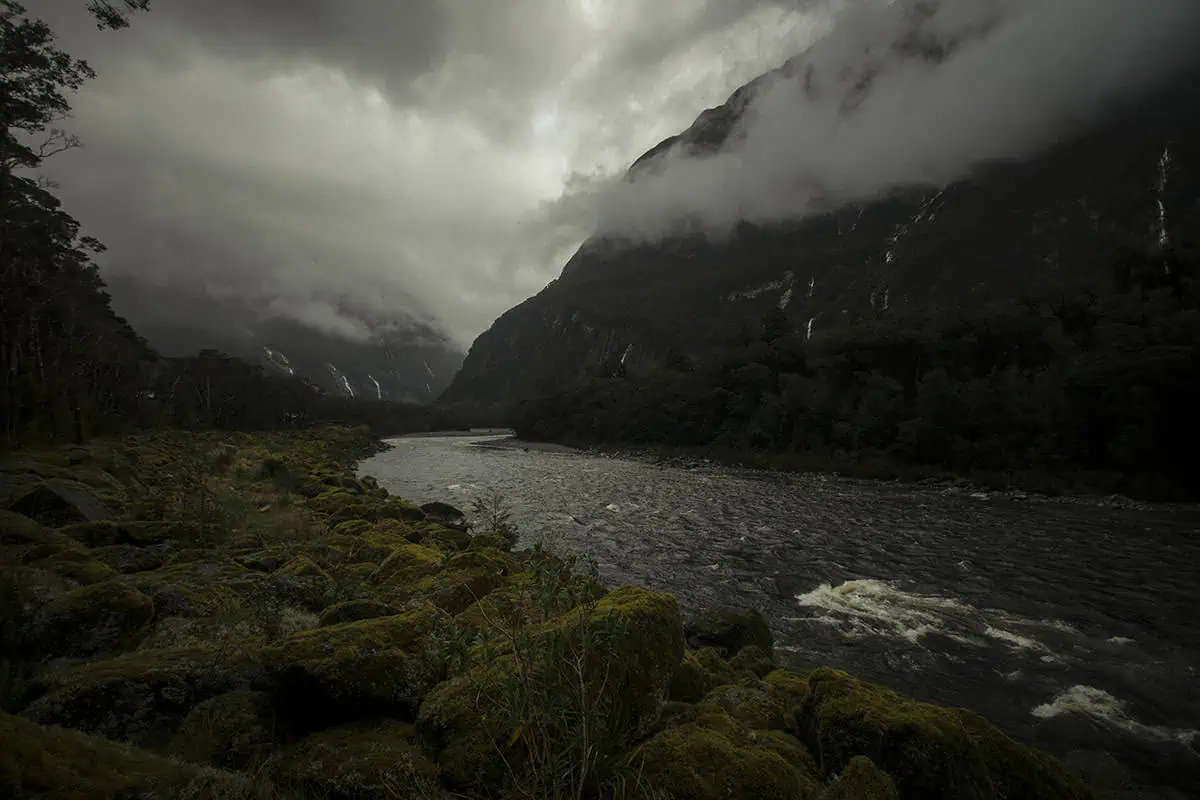
What’s It Like Doing A Boat Cruise In The Rain?
Obviously, a boat cruise in Milford Sound is a must, and we can’t control the weather so you may find yourself taking one during the rain. Luckily enough all the boats will have some sort of undercover area where you can keep dry and warm.
Here in Milford Sound, you can find many types of cruises depending on your preferences and budgets, including day cruises, nature cruises, and overnight cruises.
The boats used for these cruises are well-equipped to handle the region’s frequent rainfall. Larger catamarans and smaller boutique boats usually have both open decks and comfortable interior cabins, allowing passengers to enjoy the stunning views regardless of the weather.
The open decks provide an excellent vantage point for viewing waterfalls and wildlife up close where you can truly get close to that around you. The interior cabins allow you to shelter from the rain, ensuring a comfortable experience even during wet weather. There will also be a little area inside where you can purchase hot drinks and snacks.
By this stage, you should well and truly know how the rain in Milford Sound enhances the landscape. Well viewing this from the water is an almost magical experience with hundreds of cascading falls and a misty atmosphere.
Many cruises, including the popular Southern Discoveries and RealNZ cruises, feature vessels with large viewing windows and covered areas to ensure that passengers can take in the sights without getting absolutely soaked.

🚌 How I Book Cheap Buses In New Zealand: Intercity
Is It Safe To Drive To Milford Sound In Bad Weather?
Okay, this is a fair and actually pretty good thing to wonder about. The roads to Milford Sound can be full on, and if you are driving from Queenstown it can be pretty long, and poor weather only makes it worse.
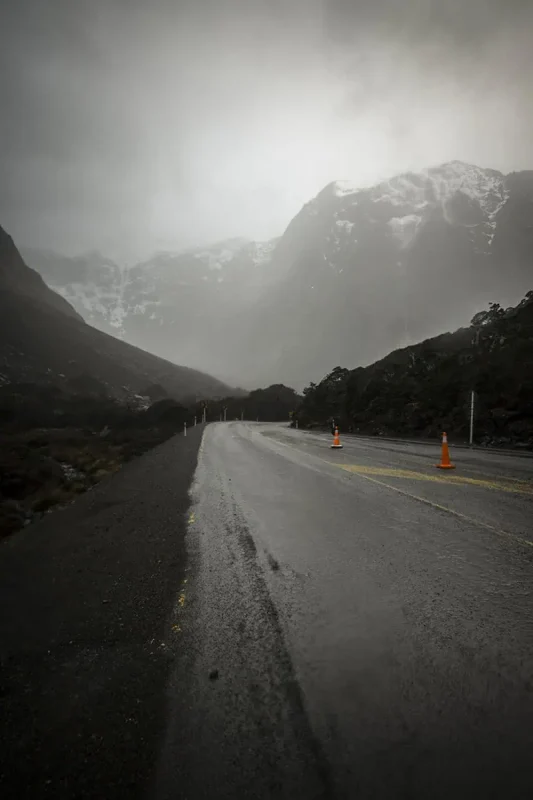
Nevertheless, if you are thinking of driving in bad weather it can be challenging so you will need to be prepared and drive with caution. The road to Milford Sound is renowned for its stunning scenery but also for its potential hazards, especially in quickly changing weather conditions.
The drive from Queenstown takes approximately four hours, while from Te Anau, it is about two hours and 15 minutes. The first section from Queenstown to Te Anau is relatively straightforward, however, the second section from Te Anau to Milford Sound is a lot more difficult.
Winter months will also add additional challenges, including snow, ice, and the risk of avalanches. All vehicles traveling to Milford Sound between May and November are required to carry snow chains, and drivers should know how to fit them. I recommend checking the New Zealand Transport Agency (NZTA) website for current road conditions and potential closures before heading off.
If you are worried leaving later in the morning can help avoid ice on the road, as it has more time to melt. However black ice is also a thing here and you don’t often know it’s there until it’s too late.
For those unsure about driving in such conditions, taking a coach tour is a safer and more convenient alternative. Professional drivers are experienced with the route and its challenges, allowing you to relax and enjoy the scenery without the stress of navigating narrow, winding roads in potentially dangerous weather.


Things To Do In Milford Sound When It’s Rainy
Now for sure, you can’t let any wet weather stop you from exploring the best of Milford Sound! It’s time to get that rain jacket and umbrella out.
Enjoy a Scenic Cruise: One of the top activities in Milford Sound, regardless of the weather, is taking a scenic cruise. Rain enhances the beauty of the fjord by creating numerous temporary waterfalls cascading down the cliffs. Many cruises also offer indoor viewing areas, allowing you to stay dry while enjoying the dramatic scenery.
Visit the Underwater Observatory: The Milford Sound Underwater Observatory at Harrison Cove offers a unique way to explore the underwater world without getting wet. Descend 10 meters below the water’s surface to view rare black coral, vibrant marine life, and the fjord’s underwater ecosystem.
Explore the Rainforest Walks: Rain brings the rainforest around Milford Sound to life, making it an excellent time to explore the many walking trails. Short walks like the Milford Foreshore Walk offer stunning views of the fjord and are manageable even in wet conditions. The Chasm Walk is another popular short trail that features dramatic waterfalls and powerful water flows carving through rocks.
Discover the Local Wildlife: Rain or shine, Milford Sound is home to a variety of wildlife. Seals, dolphins, and the rare Fiordland Crested Penguin can often be seen in the area. Wildlife spotting is an exciting activity that can be done from the comfort of a cruise or during a walk along the shores.
Relax in the Comfort of Milford Sound Lodge: If the rain is particularly heavy, consider staying at Milford Sound Lodge. It offers cozy accommodations where you can relax and enjoy the view of the rain-soaked landscape from a warm, dry vantage point.
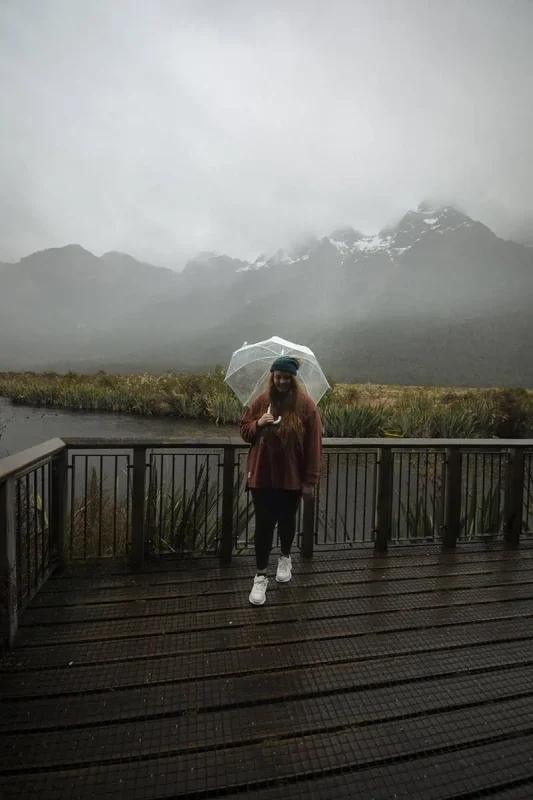

Where To Stay In Milford Sound
When visiting Milford Sound, accommodation options are limited but this means when the tour buses leave so do the crowds.
One of the standout places to stay is the Milford Sound Lodge, the only accommodation located within Milford Sound itself. Nestled a short drive from the shoreline the lodge provides luxury riverside chalets.
Another excellent accommodation option is the Rainforest Campervan Park. This site caters specifically to campervans and is perfect for those who prefer a more self-sufficient and adventurous stay. Facilities include powered sites, clean restrooms, and cooking shelters, ensuring that campers have everything they need for a comfortable stay.
This is where I stayed in my wonderful Maui camper and it was incredible, even just for one night. No doubt the location is the highlight.
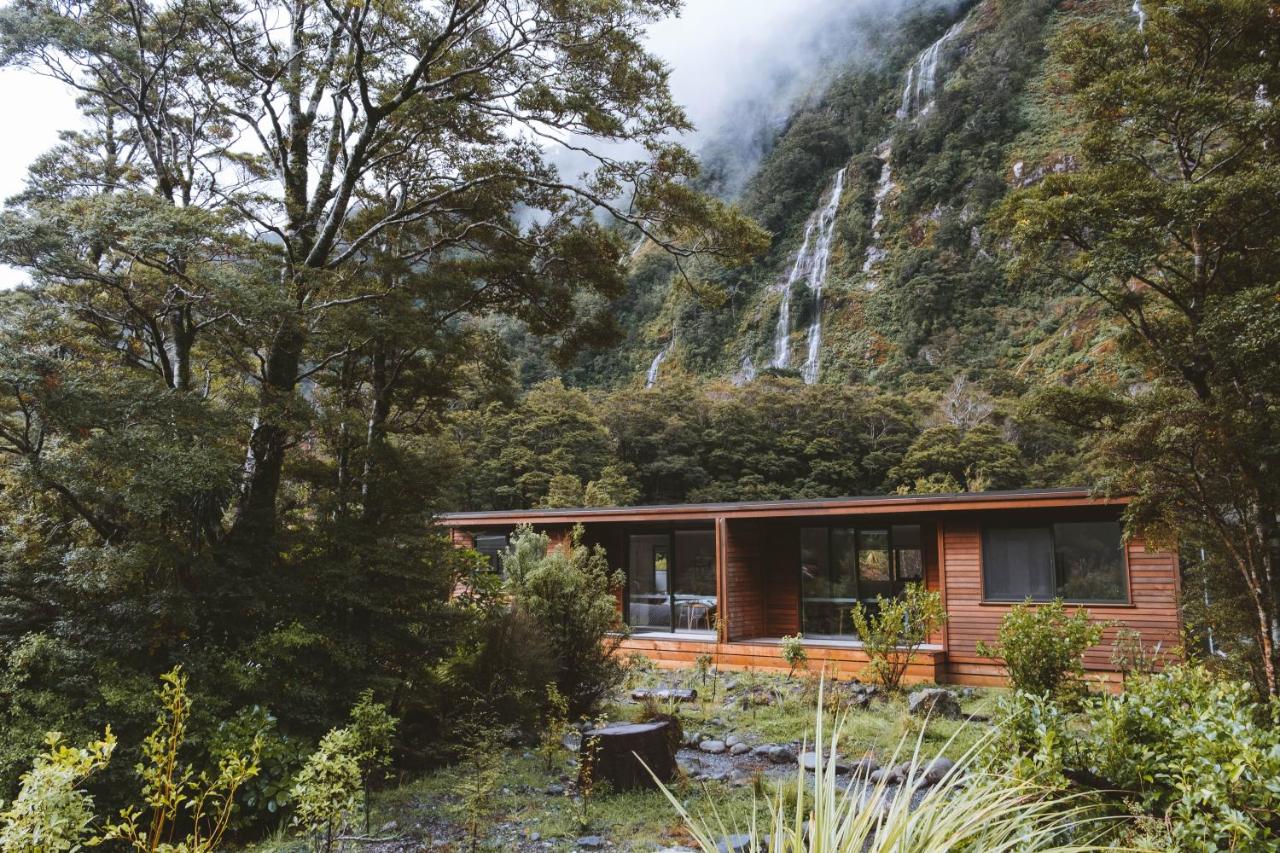
THE place to stay here in Milford Sound. They have incredible rooms in an equally incredible location. Prices start from $370.00 in winter and $620 in summer this breakfast and dinner included. BOOK NOW |
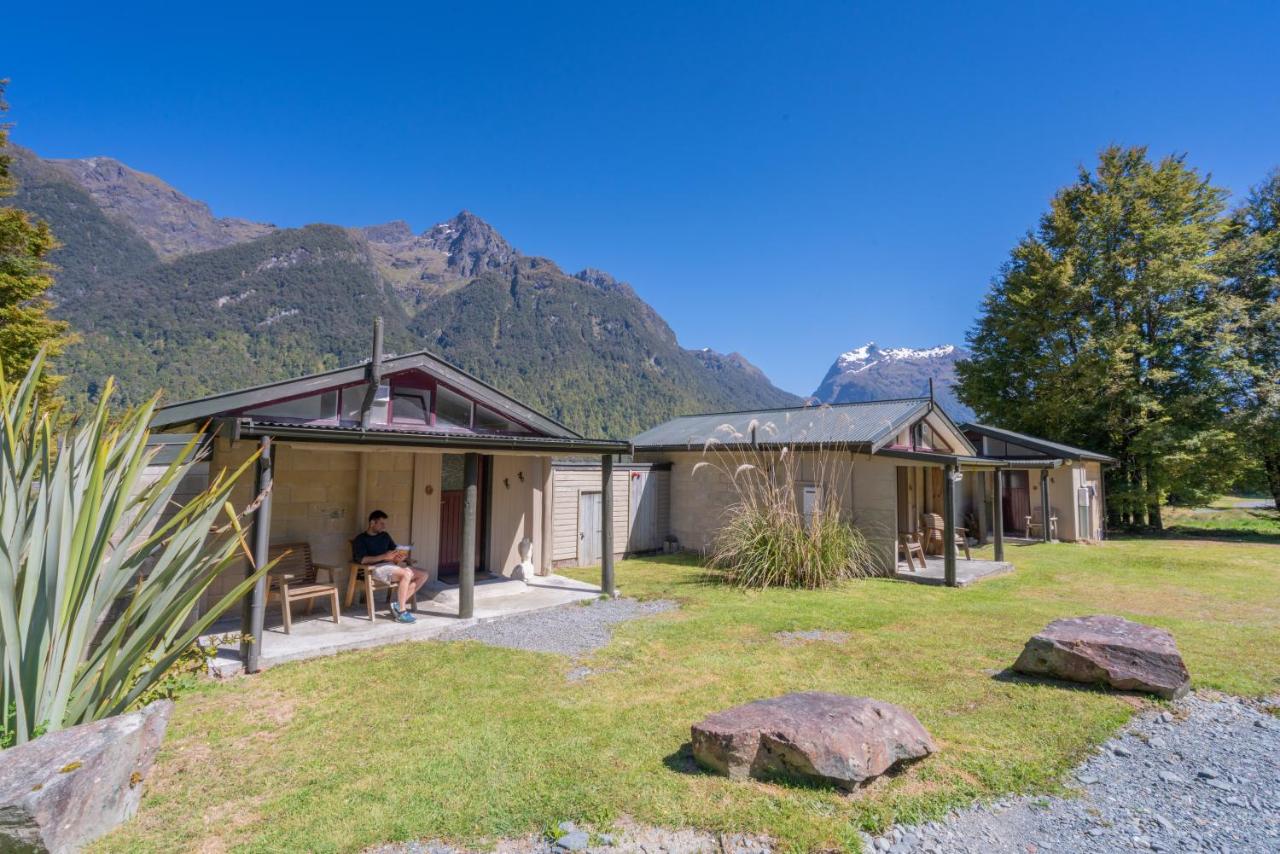
Located halfway between Te Anau and Milford Sound, and surrounded by nature. Rooms here start from $140.00 per night which is great considering the location! BOOK NOW |

Your budget friendly option in Te Anau. Dorms rooms start from $25.00 per night, and they also have private rooms available. BOOK NOW |

A clean and comfortable typical kiwi motel, the perfect choice for families. Double rooms start from $100.00 per night. BOOK NOW |

🚌 How I Book Cheap Buses In New Zealand: Intercity
FAQs About Visiting A Rainy Milford Sound
Is it worth going to Milford Sound in the rain?
Yes, visiting Milford Sound in the rain is worth it. The rain enhances the beauty of the fjord with countless temporary waterfalls and creates a mystical atmosphere. The lush rainforest thrives, making it a unique and memorable experience.
Is Milford Sound the wettest place on Earth?
Milford Sound is one of the wettest places on Earth, receiving about 6,813 millimeters (268 inches) of rain annually. However, it is not the absolute wettest; places like Mawsynram in India and Cherrapunji receive more rainfall.
What is the wettest month in Milford Sound?
The wettest month in Milford Sound is typically January, which sees the highest rainfall of the year.
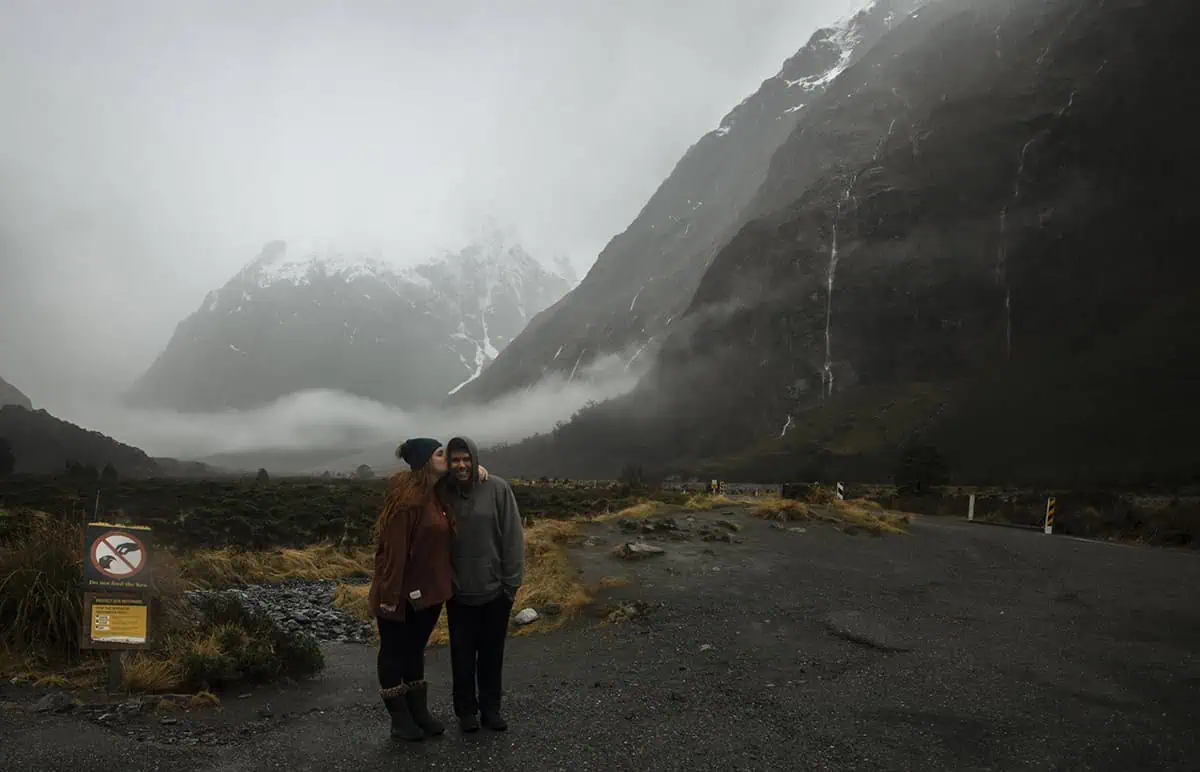
Wrap Up: All You Need To Know About Visiting Milford Sound On A Wet Day
Now I hope you know that visiting Milford Sound in the rain will actually enhance your stay. Think of hundreds of waterfalls cascading down the cliffside everywhere you look.
It’s truly a magical experience and there are still plenty of things to do here on a rainy day.
So, regardless of the weather and if it’s going to be raining, don’t let that stop you. Instead, prepare yourself for the best Milford Sound has to offer!
Any Questions? Let Me Know In The Comments!
LIKE IT? PIN IT!

Want more New Zealand Inspiration? Check out….
- HIKING THE TONGARIRO ALPINE CROSSING
- WHITE ISLAND: NEW ZEALANDS MOST ACTIVE VOLCANO
- WAIHORA LAGOON: BEST SHORT WALK IN TAUPO
- BEST WATERFALLS IN MILFORD SOUND
- HOW TO TRAVEL FROM QUEENSTOWN TO MILFORD SOUND
- FIORDLAND & MILFORD SOUND LORD OF THE RINGS FILMING LOCATIONS
- HOW TO FIND THE MILFORD SOUND SWING
- VISITING MILFORD SOUND IN THE RAIN
- BOWEN FALLS IN MILFORD SOUND
- VISITING MIRROR LAKES IN FIORDLAND NATIONAL PARK
- EGLINTON VALLEY, FIORDLAND NATIONAL PARK
- VISITING MILFORD SOUND IN WINTER
- MONKEY CREEK, FIORDLAND NATIONAL PARK
Disclaimer: This post contains affiliate links. So, if you click on it and purchase something, I get a small percentage at no extra cost to you. As always all opinions are my own and your support is much appreciated.
Related Posts
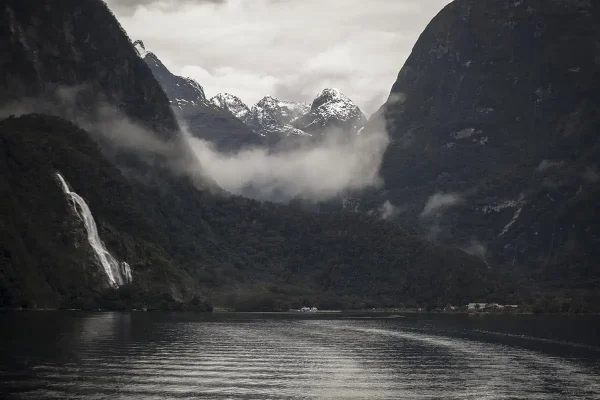
Bowen Falls In Milford Sound: The ULTIMATE Guide 2025
Let’s discover the epic spot which is Bowen Falls in Milford Sound. I will let [...]
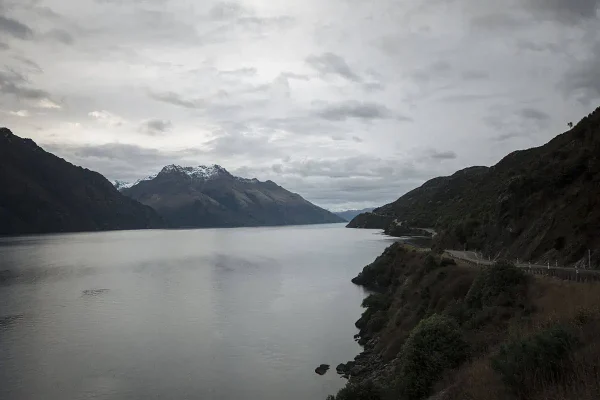
Queenstown To Milford Sound: Best Ways To Travel 2025
Let me tell you all about how exactly to travel from Queenstown To Milford Sound. [...]
Monkey Creek: BEST Stop On The Way To Milford Sound
If you are driving to Milford Sound one of the best stops to make a [...]
